A featured exhibition at the Cooper-Hewitt National Design Museum, Skin: Surface, Substance, and Design explored the inspiration for a myriad of designers – skin. The dermis of our own bodies, the exhibition hosted a collection of 128 objects, photographs, and videos that explore the translation of biological skin into parameters for design applications of depth, complexity, and perforation. “Skin is a real-time interactive installation that visualizes a dialogue between physical and digital senses of touch,” Skin.The exhibition focused on five subcategories of skin to redefine our understanding of surfaces:
Padding + Protection
Artificial Light + Artificial Life
Beauty, Horror, + Biotechnology
Intelligence + Touch
Vessels + Membranes
The installation was divided according to these themes, covering medicine, art, architecture, entertainment, recreation, clothing, and fashion, domestic life, and war. Many critics claim objects are only representations of a collection of works and could be interchangeable among the selected categories. However, these installations still remind us that designers are getting closer to the biological model of the human form.
Featured Designers and Architects
• Carla Murray & Peter Allen: TechnoLust - core 77 design competition 2000
• Chris Slutter:
• Greg Lynn Form: Skin, Fold, Blob Architecture, Embryonic House (fluid architecture)
• Jurgen Bay: Kokon/Covered series
• Marcel Wanders: Sneeze, Egg, Sponge Vase
• Matthieu Manche - Fresh series of garments
In 2006, a follow-up exhibition focused on projects since the 2002 showing. The sequel installation, Second Skin, looks at surface technology that further expands our skin applications. “Reflecting the convergence of natural and artificial life, the exhibition will show how enhanced and simulated skins appear throughout the contemporary environment. Designers today continually manipulate the relationship between the inside and outside of objects, garments, and buildings, creating skins that both reveal and conceal, skins that have depth, complexity, and their own behaviors and identities,” Skin
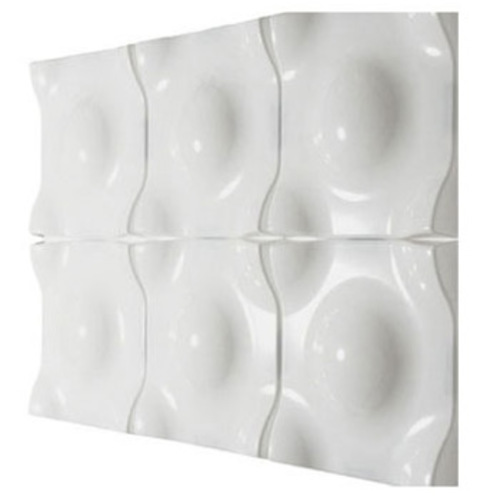
Soundwave Swell Diffuser, 1999-2000. (Teppo Asikainen)

Liquid_Light: Drip_1, 1999. (Constantin Wortmann and Benjamin Hopf)

Second-Generation Face Robot, 2000. (Peter Menzel/Robo Sapiens, photographer)

Recyclable, Portable Skyscraper, 2001. (Todd Dalland, Geza Gergo, Isamu Kanda, and Tamer Onay)

II Sarto Immortale (The Immortal Tailor) 1995-97. (Alba D’Urbana)
External References
Lupton, Ellen. “Skin: Surface, Substance, and Design” Princton Architectural Press, New York (2002)
Smith, Roberta. “Design Review: A Wrap That’s Almost Human.” New York Times. (May 17, 2002).
SKIN A look inside the book
SKIN The Website


